Seamounts, volcanoes and guyots
Detailed oceanographic surveys over seamounts based on modern bathymetry: hydrology, biology and geology of the slopes.
Ocean Peaks · round-the-world oceanographic expedition
A round-the-world scientific expedition aboard the sailing research yacht Maola. We study seamounts and open-ocean eddies — in waters research vessels don't reach for years.
Volunteer with the expedition →The low-latitude circumnavigation is split into five legs, with breaks between them for regional expeditions, refits and scientific upgrades of the yacht.
Ports of call are tentative and will be refined as the expedition progresses.
July — October 2026
Fethiye (Turkey) — Greece — Bizerte (Tunisia) — Tangier (Morocco). Layover in Morocco with a possible expedition to the first study site — the Ampère and Josephine seamounts.
November 2026 — January 2027
Morocco — Cabo Verde — the Antilles — Panama. Survey work off Morocco and underway measurements across the Central Atlantic.
February — August 2027
Panama — Galápagos — Tahiti — Fiji, then Fiji — Torres Strait — Phuket.
Winter 2027 — 2028
Phuket — Sri Lanka — Malé — Salalah — Suez Canal — Fethiye. The circumnavigation ends where it began.
Amateur sailors cross oceans and reach the most remote corners of the planet — yet almost no scientific measurements are ever taken aboard their boats. Meanwhile, research-vessel expeditions to those same waters are not organised for years: operating a large research ship costs enormous resources.
Ocean Peaks is an attempt to connect the two worlds. We are demonstrating that comprehensive marine research can be done from a small sailing yacht: all upper-ocean work can be carried out by a small crew, while sail logistics opens up waters inaccessible to classical expeditions.
The scientific goal of the project is to study how dynamic processes over seamounts and in mesoscale eddies of the open ocean influence hydrological, biological, chemical and geological phenomena in the World Ocean.
Expedition outcomes: papers in leading journals, conference talks, and a book compiling the research results.
Our study objects are seamounts and mesoscale eddies of the open ocean. Both lie far from ports and research-fleet bases — yet all upper-ocean work can be done from a yacht.
Detailed oceanographic surveys over seamounts based on modern bathymetry: hydrology, biology and geology of the slopes.
“Chasing” eddies across the open ocean using near-real-time satellite data: surveying thermohaline structure and currents in eddy cores.
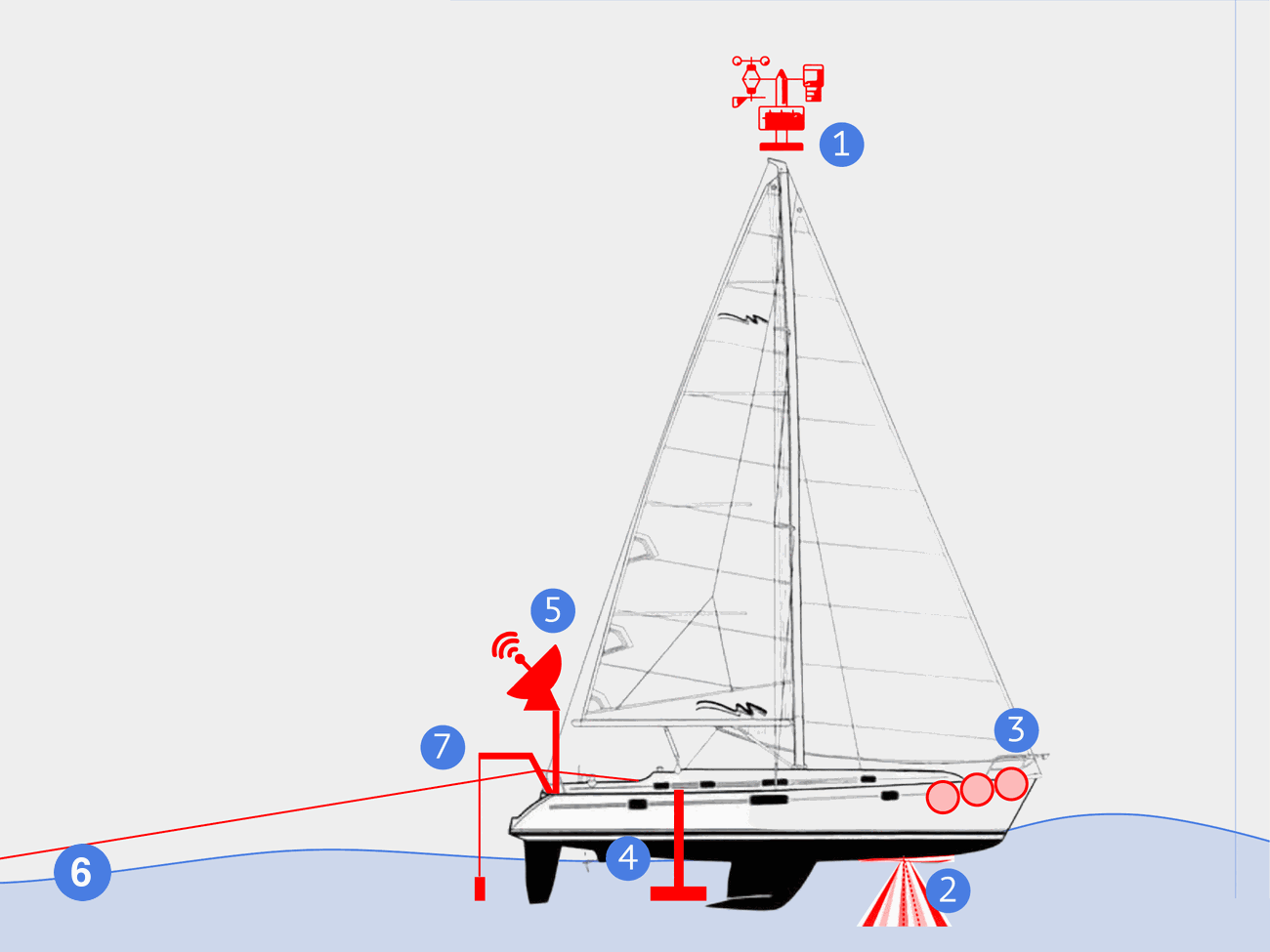
Vertical profiles of temperature, salinity and pressure with an AML-3 probe (6000 m housing); winch operations down to 1000 m.
Deployment of autonomous moorings with Daowan loggers for long-term observation series.
Scientific echo sounder at 50/200 kHz with water-column recording: seafloor relief and scattering layers down to 350 m.
5-litre Niskin bottles and plankton nets: hydrochemistry, phytoplankton and zooplankton.
Grab sampling of bottom sediments: geology and geochemistry of seamount slopes.
Continuous surface-layer measurements and weather observations on every passage; seafloor video and drone surveys.
The shore team analyses satellite data and ocean-circulation forecasts, adjusting the work plan as the yacht approaches each study site.
A sailing research yacht — a Beneteau Oceanis Clipper 41 refitted for open-ocean work.
| Type | Beneteau Oceanis Clipper 41 |
|---|---|
| Rig | Bermuda sloop, 86 m² |
| Length | 12.5 m |
| Displacement | 8.5 t |
| Draft | 1.7 m |
| Engine | Yanmar, 56 hp |
| Fuel / water | 150 l / 550 l |
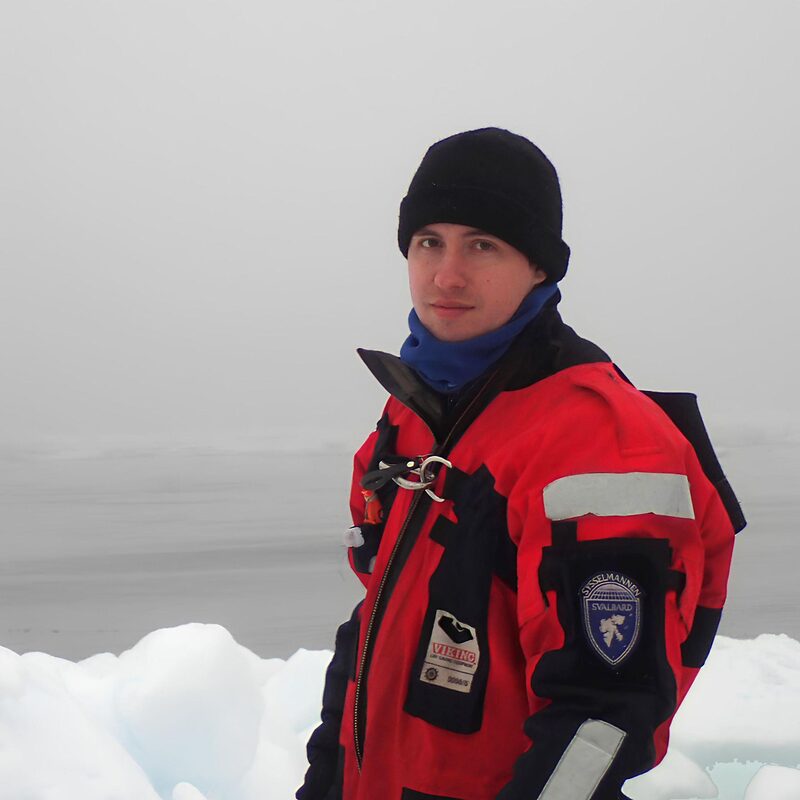
Project lead
PhD in physics, deep-sea currents specialist
Oceanographer, physicist and sailor. Over 30 marine expeditions — the Arctic, Antarctica, the Atlantic, Pacific and Indian oceans. Goes to sea to study currents in the depths of the World Ocean.
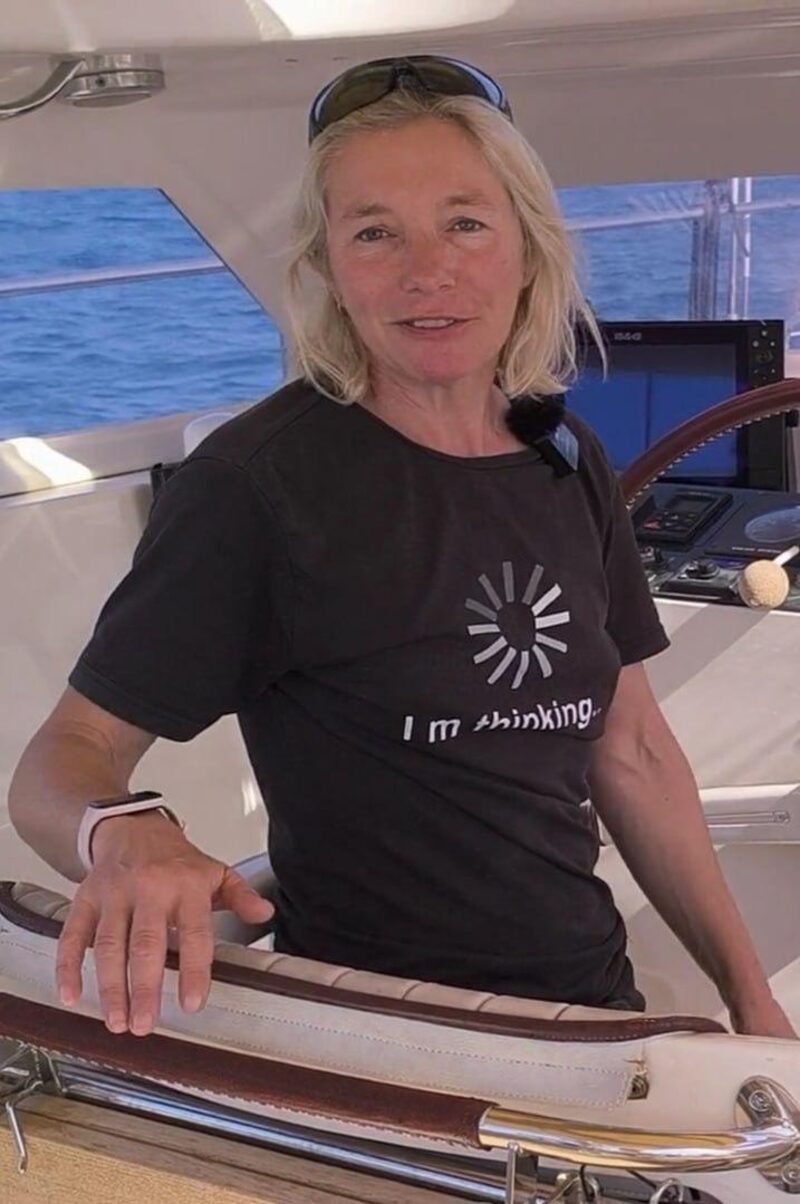
Captain of Maola
Candidate for Master of Sport, sailing instructor
Yacht captain, mechanic and journalist. Multiple ocean crossings under sail and a knack for solving any yacht problem in the most exotic corners of the planet — from paperwork to repairs.
Scientific advisor
DSc, oceanographer
Author of the popular-science blog “The Ocean Around Us” and one of the country's best-known ocean-science communicators. Keeps the project scientifically honest.
Creative producer
Oceanographer
Editor-in-chief of the international portal ITRussia.media. Runs the media side of the project: content, press events in ports of call, the future film and book.
Project designer
Author of the Ocean Peaks identity: the logo, the yacht mark, the brand graphics and the visual language of the project.
Scientific outfitting
PhD, marine measurement specialist
Turns a cruising yacht into a research vessel: instruments, measurement systems and open-ocean survey methods.
Marine geology
PhD, sedimentation specialist
Mining engineer and marine geologist. Trained to extract mineral resources from the seabed — extracts knowledge about the history of the ocean and climate instead. Also runs onboard 3D printing.
Marine biology
PhD, head of research at MSU Marine Research Center
Coordinates the expedition's biological programme: plankton, benthic fauna and life above the seamounts.
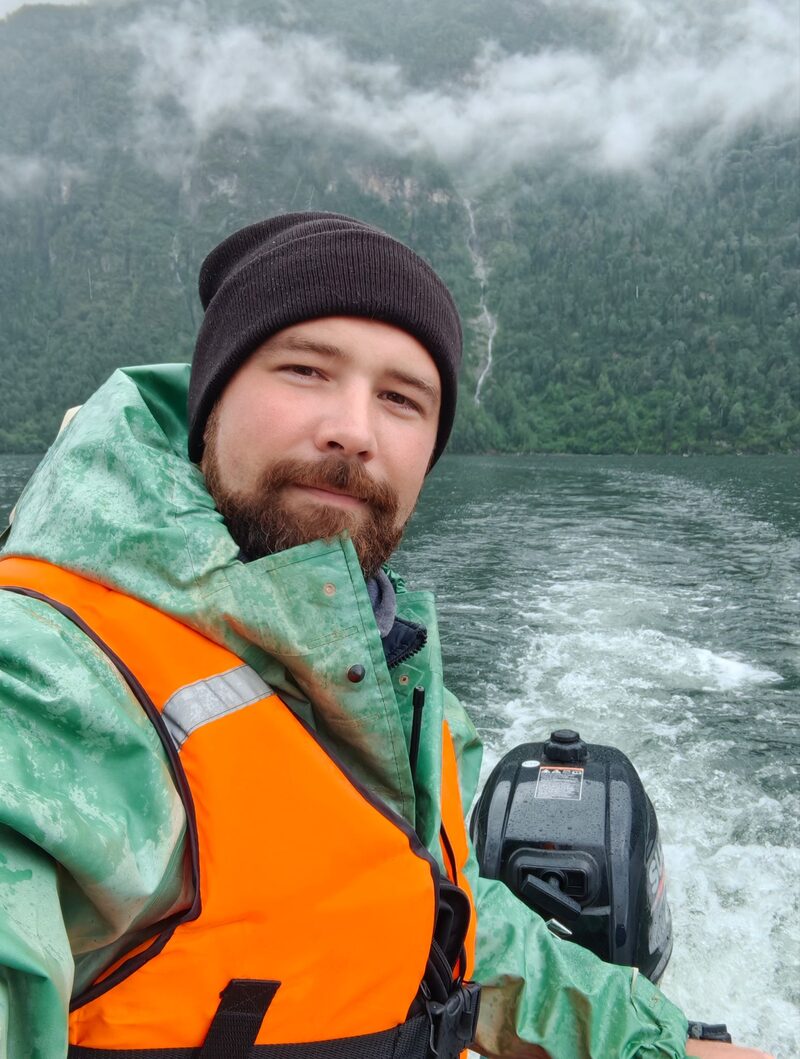
Marine instrumentation
PhD, head of laboratory at MHI RAS
Design engineer of oceanographic instruments. Builds, tunes and repairs electronic and mechanical systems right in the field — including custom technical solutions for expedition tasks.
Sea level, yacht preparation
Oceanographer, tsunami laboratory
Analyses sea-level variability and takes part in the technical preparation of the yacht for the circumnavigation.
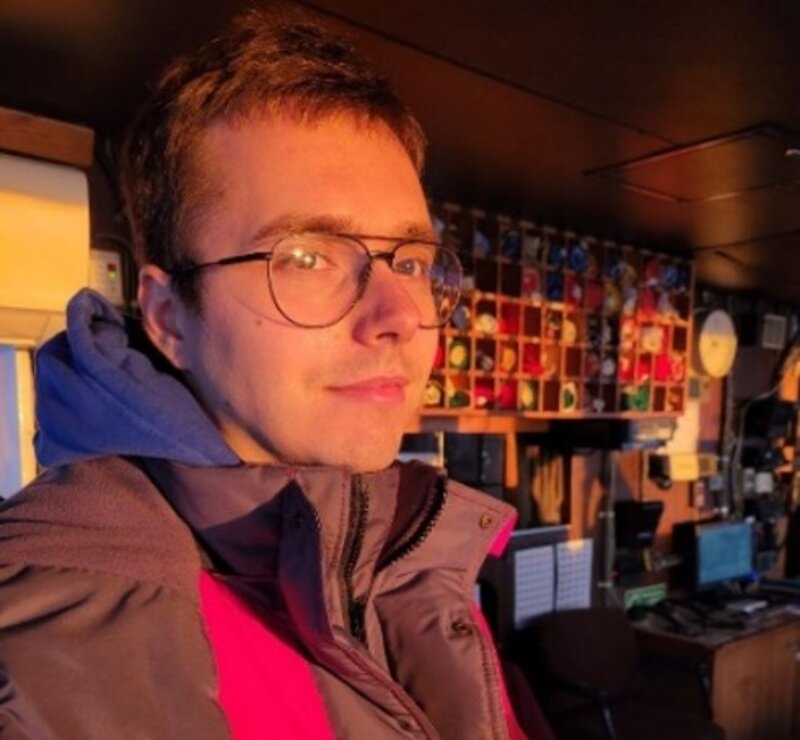
Expedition cartographer
IHO Category A hydrographer, hydroacoustics specialist
Uses sound to study the ocean — from the shape of the seafloor to the movement of plankton in the water column.
Geochemistry and ore geology
PhD, marine geochemist
Studies the ocean at the molecular level: prepares extracts from seafloor mud and deep-sea ore to understand their origin.
Expedition meteorologist
Oceanographer, big-data specialist
Over 10 years in oceanography and meteorology. Former lead meteorologist at Windy.app, Yandex Weather and OpenWeatherMap. Knows what the weather will be tomorrow.
The project is open to scientific and technological partnerships. Become a partner →
This section will feature the project's volunteers — the people helping to prepare Maola for the circumnavigation and taking part in work along the way. The first names will appear once work starts in Fethiye.
Maola is being prepared for the circumnavigation in Fethiye, Turkey, with ports across three oceans ahead. The project needs volunteers: